Refined Interiors, Lighter Footprints
Quiet Luxury Meets Conscious Craft
Setting an Intent That Guides Every Purchase
Before samples arrive, articulate values: reduced embodied carbon, fair labor, longevity, and sensory delight. This intention becomes a compass when dazzled by finishes, reminding you to favor provenance, durability, and repairability, and to celebrate restraint over novelty, where quality whispers and waste simply never enters.
What Low-Carbon Luxury Really Looks Like
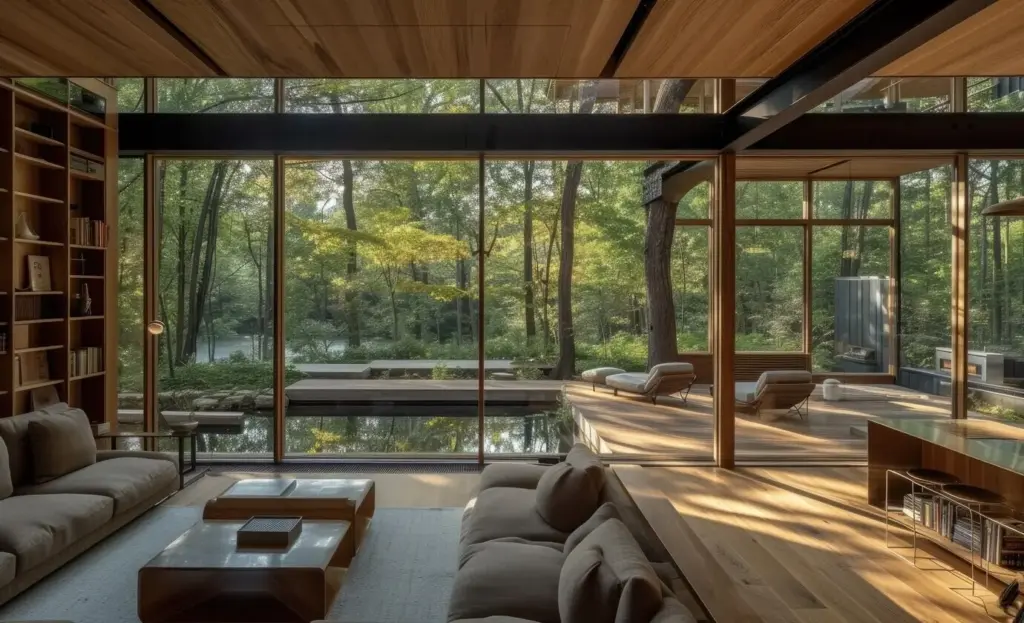
Think mass-timber detailing from responsibly managed forests, limewash over petrochemical paint, reclaimed stone thresholds, recycled brass hardware, and lightweight, high-recycled aluminum frames. It looks polished because the process is disciplined: fewer materials, higher caliber, clearer documentation, and a commitment to choose nearby sources whenever artistry allows.
Materials with Integrity: Wood, Stone, and Metal

Responsible Hardwoods and Veneers
Reclaimed Lumber and Stone with Provenance

Recycled Metals, Beautifully Finished
Low-Carbon Finishes and Textiles That Breathe
Measuring What Matters: LCA, EPDs, and Standards
Tracing Supply Chains and Caring for People
Vetting Workshops and Studios
Visit facilities or schedule virtual tours. Ask who owns the business, how apprentices are trained, and whether overtime is voluntary. Review modern-slavery statements and grievance mechanisms. Makers who cheerfully open doors usually deliver consistent craftsmanship, honest lead times, and enthusiasm that clients can feel in finished rooms.
Transparent Logistics and Localized Networks
Transportation often dominates emissions. Prefer regional quarries, domestic mills, and nearby workrooms when possible, and consolidate shipments with reusable crates. Ask carriers about fuel types and route optimization. Fewer miles, smarter packaging, and predictable timelines translate to calmer installations and fewer surprises during delicate, high-stakes fit-outs.
Partnerships That Uplift Communities
Collaborate with Indigenous carvers, women-led weaving cooperatives, and inclusive metal shops that train refugees or returning citizens. Commission limited runs that fund apprenticeships and tool upgrades. The outcome is luxurious, yes, but also generative, beauty that spreads opportunity and pride across families, guilds, and neighborhoods.
Designing for Longevity, Repair, and Grace
All Rights Reserved.