Sustainable Luxury, Crafted to Last
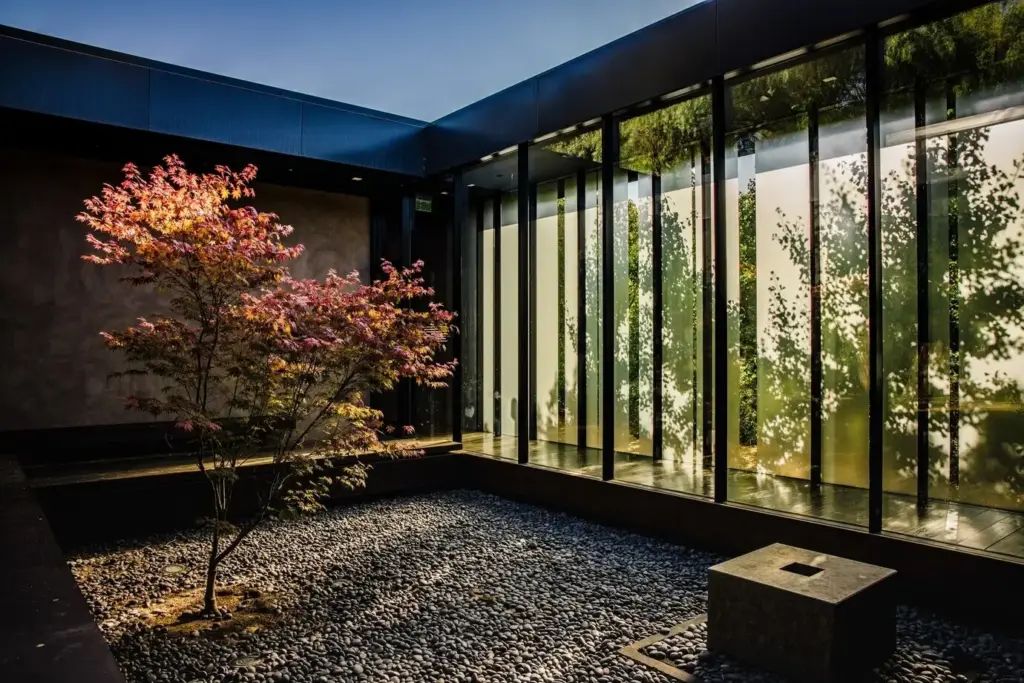

Step into a world where exquisite detail meets environmental intelligence. Today we explore High-End Eco-Friendly Finishes and Fixtures: A Guide to Sustainable Alternatives, distilling performance, certification know-how, and tactile beauty into actionable choices that elevate spaces, reduce impact, and endure. Expect honest sourcing advice, repairability insights, and designer-tested picks you can specify with confidence, plus invitations to share your experiences, questions, and photos with our community so we can celebrate progress, refine decisions, and learn together.

Materials That Elevate Without Compromise

Luxury and responsibility are no longer opposites. From FSC-certified hardwoods and reclaimed veneers to sintered stone, recycled-glass terrazzo, and mineral-based finishes, you can pair couture craftsmanship with measurable environmental gains. We walk through sourcing signals, testing standards, and tactile considerations so your selections feel impeccable, perform flawlessly, and age gracefully, while remaining transparent about origin, chemistry, and carbon. Share which materials you are weighing, and we will help decode labels and shortlist refined, future-friendly options tailored to your project.

Responsible Timbers and Veneers

Choose FSC-certified or reclaimed wood to anchor warmth with accountability. Engineered cores using formaldehyde-free binders reduce emissions while delivering stability for large panels and humid rooms. Pair plant-based oil-wax finishes with careful sanding and pore-filling to achieve a luminous, repairable sheen. Ask mills for chain-of-custody documentation, request moisture reports, and specify slip-matched or book-matched veneers to minimize waste without sacrificing visual harmony. Tell us your palette and climate, and we will suggest species, cuts, and finishing systems that last.

Stone Alternatives with Couture Precision

Sintered stone and large-format porcelain slabs offer exceptional scratch, stain, and heat resistance with comparatively low maintenance and often a lower carbon footprint than quarried slabs. Thin-profile panels reduce weight and transport impacts, while minimal grout lines create a calm, gallery-like surface. Look for recycled content, third-party EPDs, and factories powered by cleaner energy. Request slip resistance data for wet areas, match edges with mitered profiles, and consider integrated drain slopes for spa-level refinement. Share your favorite textures, and we will compare durability data.

Water, Light, and Air: Performance Fixtures Reimagined

High-performance fixtures can save resources while heightening comfort and drama. WaterSense-certified faucets and showers maintain luxurious feel through precise aeration or laminar streams. High-CRI, dim-to-warm LED luminaires honor material color and texture without flicker. Quiet, sensor-driven ventilation protects finishes and health with elegant discretion. Seek replaceable light engines, serviceable drivers, and brass bodies free from harmful chemistries. Tell us what experience you want—invigorating, restorative, theatrical—and we will compose a layered specification that respects water, electricity, acoustics, and your aesthetic goals.

Verifying What You Buy

Amid persuasive marketing, third-party documents clarify reality. Environmental Product Declarations reveal embodied carbon and lifecycle stages; Health Product Declarations and Declare labels expose chemistries; GREENGUARD Gold, FloorScore, and CDPH testing confirm indoor emissions; FSC, Cradle to Cradle, and WaterSense validate resource performance. Request product-specific EPDs over industry averages, confirm functional units, and compare apples to apples. Post your shortlists, and we will help decode acronyms, chase missing documents, and push manufacturers for transparent data tailored to your exact specification and context.

Labels That Matter

Focus on a concise suite: WaterSense for water performance; Cradle to Cradle Certified for material health and circularity; FSC for wood; GREENGUARD Gold and FloorScore for low emissions; and Declare Red List Free for chemistry clarity. Ask for current certificates, not marketing badges, and verify scope, models, and dates. If labels are absent, request written conformance statements or third-party tests. Share any confusing PDFs, and we will check small print, confirm equivalencies, and flag where claims drift from the realities of the specified product.

Reading an EPD Without a Headache

Start with the functional unit and declared unit to ensure comparisons are legitimate. Scan the GWP (A1–A3) for manufacturing impact, and note transport (A4) and installation (A5) when relevant. Prefer product-specific EPDs from reputable program operators and check plant-level data. If two options look similar, consider durability, maintenance, and replacement intervals. We can plug data into EC3 or simplified calculators, discuss supply distances, and help you choose lower-carbon options that still deliver the texture and precision your design language demands.

VOC and Indoor Air Quality Essentials

Differentiate VOC content limits from emissions testing; both matter. Require SCAQMD Rule 1113 or EU equivalents for paints and coatings, and CDPH v1.2 or better for finished products in occupied spaces. Plan ventilation and cure times to manage offgassing before occupancy. Select low-odor, water-borne systems where performance allows, and pilot-test samples in enclosed boxes to evaluate real-world smell. Tell us your project timeline and sensitivities, and we will map a sequencing plan that safeguards well-being without compromising finish integrity or craftsmanship.

Craftsmanship, Repairability, and the Patina of Time

Replaceable Components, Not Whole Units

Specify fixtures with documented part numbers for cartridges, aerators, seals, and LED engines. Confirm access from the finished side for future service, and select drivers with standard connectors. Modular sconces and pendants preserve housings while components evolve. Ask for ten-year parts commitments and exploded diagrams. If you share your preferred lines, we will benchmark their service ecosystems, identify independent repair networks, and create a labeled maintenance kit so caretakers can resolve issues quickly, protecting both investment and sustainability goals over the long term.

Finishes That Age Gracefully

Match finish resilience to context. PVD-coated brass resists corrosion and fingerprints in coastal zones; brushed stainless excels in steamy baths; TGIC-free powder coats reduce hazardous chemistry while offering depth. Unlacquered brass welcomes touch and story, acquiring a soft patina you can brighten with a simple polish. Avoid hexavalent chrome; request modern trivalent processes if chrome is essential. Share how you live—barefoot showers or beach towels—and we will guide sheen, texture, and cleaning protocols that preserve lustre without harsh chemicals or needless replacements.

The Human Touch

Local artisans and small-batch fabricators compress supply chains, enable precise customization, and embed narrative value that discourages disposability. A hand-troweled lime finish or a turned walnut pull carries memory every time you enter the room. Commission makers who publish material lists and invite repairs. We can introduce studios, help define tolerances and mockups, and create care cards for clients or household staff. Share your story—heritage, travel, rituals—and we will translate it into tactile details that feel personal, responsible, and beautifully inevitable.

Plan for Adaptation

Design cabinetry with removable panels, adjustable shelves, and standardized hardware so upgrades do not trigger full rebuilds. Select neutral stones or porcelain lookalikes that welcome evolving palettes. Build access for future plumbing or lighting changes. These strategies stretch lifespans, cut waste, and protect investment. Share your five-to-ten-year scenario planning, and we will recommend hinge systems, panel sizes, and junction strategies that permit updates in hours, not weeks, keeping your space relevant and your environmental footprint consistently and measurably lower.

Specify Circular by Default

Prioritize recycled-content brass, aluminum, and stainless, and ask for mill certificates. Name manufacturer take-back programs in contracts and confirm logistics before ordering. Choose tile, slab, and hardware lines with established remanufacturing or parts resale channels. Where feasible, integrate reclaimed elements as focal points. Tell us your procurement constraints, and we will map vendors with credible end-of-life pathways, compare embodied carbon across options, and propose details that simplify disassembly, separating materials cleanly for reuse, remelt, or recycling without damaging adjacent finishes or substrates.

Reduce Waste On Site

Coordinate early with fabricators to create optimized cut lists, nesting slab layouts to minimize offcuts. Use digital templating for precise edges and mitered corners, and specify return policies for unopened materials. Donate surplus through vetted platforms and track diversion rates. Establish labeled bins for clean recyclables and protect finished surfaces with reusable coverings. Share your square footage and layouts, and we will propose yield targets, field-measure sequencing, and a packaging plan that trims waste, saves time, and delivers immaculate results with fewer pallets.

Stories from the Field

Data is persuasive, but lived results win hearts. Here are distilled lessons from recent projects where refined aesthetics met measurable gains. We spotlight selections that reduced water, improved indoor air, and lowered embodied carbon—without compromising sensual delight. Use these snapshots as prompts for your own projects, then comment with your obstacles and victories. We will turn the best questions into follow-up guides, share sourcing lists, and feature reader spaces that exemplify sustainable luxury with warmth, wit, and practical, repeatable detail.

The Coastal Kitchen Renovation

A salt-air remodel swapped quarried stone for porcelain slabs with 40 percent recycled content and epoxy-free setting materials. A lead-free, PVD brass faucet at 1.2 gpm cut water by roughly thirty percent while feeling richer thanks to laminar flow. CRI 95, dim-to-warm LEDs honored driftwood tones, and low-VOC mineral paints eliminated lingering smells. The family reported fewer headaches during move-in and simpler cleanup after seafood feasts. Ask for our spec sheet, and we will share model numbers, sealers, and maintenance notes.

The Boutique Hotel Refresh

A heritage property layered cork underfoot for acoustics, paired with FSC white oak panels finished in plant oils. Bathroom suites used thermostatic mixers and 1.75 gpm showers with elegant spray patterns guests adored. Lime plaster calmed corridors, while GREENGUARD Gold lighting and low-flicker drivers improved comfort. Measured results included twenty-one percent water savings and improved guest satisfaction scores. Curious about vendor lists and installation tips? Subscribe and reply with your project size; we will send a targeted playbook distilled from this rollout.

The Small-Space Sanctuary Bath

A compact ensuite gained presence with sintered stone walls, a reclaimed-oak vanity, and a micro-profile, recycled-aluminum sconce using a replaceable light engine. The thermostatic valve reduced thermal shock and wasteful fiddling; the 0.3-sone fan kept moisture invisible. Limewash invited soft reflection, refreshed with a single afternoon coat. The clients say rituals feel spa-like, yet utility bills eased. Want the specification checklist, including part numbers and sealant choices? Comment “Sanctuary,” and we will share the full breakdown and a printable maintenance calendar.
Furelavuzofukivitopu
Privacy Overview

This website uses cookies so that we can provide you with the best user experience possible. Cookie information is stored in your browser and performs functions such as recognising you when you return to our website and helping our team to understand which sections of the website you find most interesting and useful.